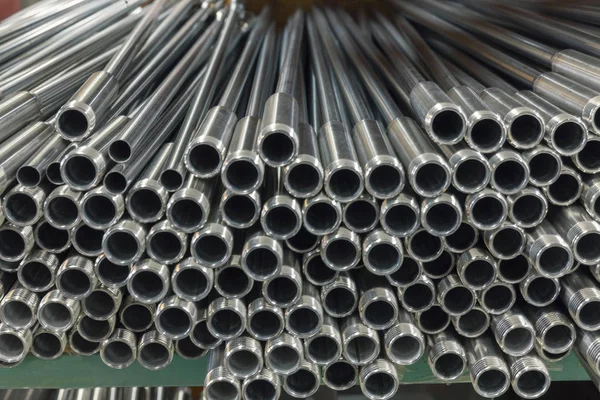
When buying stainless steel products in Melbourne, it’s vital to choose the right supplier and understand the key characteristics that define quality and performance. With a plethora of options available, collaborating with reputable stainless steel suppliers in Melbourne is essential to ensure you receive the best value and durable materials for your projects.
Understanding Stainless Steel Grades
Stainless steel is known for its exceptional resistance to corrosion and staining, along with requiring low maintenance and having a familiar lustre. These qualities make it a versatile material for various applications, from kitchen appliances to construction projects. However, not all stainless steel is created equal. The grade of the stainless steel defines its composition and the subsequent properties.
When selecting stainless steel products, consider the specific grade you require for your application. The most common grades include:
304 Stainless Steel: Known for its excellent corrosion resistance and good forming properties, making it ideal for kitchen utensils and plumbing fixtures.
316 Stainless Steel: Contains molybdenum, providing enhanced corrosion resistance, especially against chlorides and other industrial solvents, making it perfect for use in marine environments.
430 Stainless Steel: Offers good corrosion resistance and formability, often utilised in automotive trim and appliances.
It is crucial to consult with experts to determine the most suitable grade for your needs, ensuring longevity and performance.
Examining Surface Finishes
The surface finish of stainless steel can influence both its aesthetic appeal and its functional performance. Depending on your requirements, you may desire a specific finish that enhances the appearance of the material or provides additional protection against environmental factors.
Common finishes include:
2B Finish: A universal industrial finish with a smooth, reflective appearance that is ideal for general applications.
No. 4 Finish: Known for its brushed appearance, it lends a decorative touch to architectural elements and building facades.
BA Finish: Offers a mirror-like, highly reflective finish, often used for ornamental items and detailed architectural work.
Your choice of finish should align with the intended use of the stainless steel product. For instance, a decorative railing might benefit from a brushed finish, whereas functional kitchen equipment might require a smooth, easily cleaned surface.
Assessing Environmental Impact
With growing concerns over sustainability, evaluating the environmental credentials of your stainless steel products is increasingly important. Stainless steel is 100% recyclable, which contributes significantly to its eco-friendly profile. Additionally, modern manufacturing methods strive to minimise environmental impacts, promoting sustainability in both production and usage.
When selecting a supplier, consider their commitment to sustainable practices, such as using recycled materials and reducing their carbon footprint. This consideration not only supports eco-conscious choices but also ensures compliance with environmental regulations.
Verifying Quality Standards
In addition to selecting the appropriate grade and finish, ensure that the stainless steel products comply with relevant industry standards. Quality standards are in place to guarantee the product's performance and safety.
Look for certifications such as:
ISO 9001: Demonstrates a commitment to quality management systems.
ASTM Standards: Define material qualities, including chemical and mechanical properties.
Having these assurances in place gives you confidence in the product's ability to meet rigorous demands, particularly in safety-critical environments like construction or food processing.
Considering the Supplier's Expertise and Services
Choosing the right supplier goes beyond merely finding a distributor; it involves selecting a partner with the expertise and capacity to meet your needs effectively.
Key factors to consider include:
Technical Expertise: The supplier should offer guidance and support on material selection, cutting, and other processing services tailored to your requirements.
Customisation Capabilities: Depending on your project, you may need customised solutions. The ability to deliver bespoke products is crucial.
Reliability and Timeliness: Evaluate the supplier's track record for delivering products on time and according to specifications. A reliable supplier supports project schedules and avoids unnecessary delays.
Evaluating Cost Effectiveness
Budget constraints are a practical consideration in any project. While it’s tempting to go for the cheapest option, investing in high-quality stainless steel can offer better long-term savings through durability and reduced maintenance.
Consider the total cost of ownership rather than just the initial purchase price. A reputable supplier will provide transparency regarding costs, allowing you to make informed decisions that balance quality, longevity, and budget.
Reviewing Customer Feedback and Case Studies
Customer feedback can provide insight into the reliability and quality of both the products and the supplier's service. Look for reviews or case studies that highlight the supplier's strengths and areas for improvement. Pay particular attention to similarities with your project requirements, as they can offer a more relevant perspective on what to expect.
Past projects that align with your specific requirements can be a good indicator of a supplier's capability to handle similar challenges.
Ensuring Compliance with Local Regulations
Depending on the specific application, there may be local regulations governing the use of stainless steel products. Ensure that your chosen products and supplier comply with these regulatory requirements to avoid potential legal issues and safety concerns.
Consult industry codes and standards relevant to your area, and verify that your supplier is aware of and adheres to these regulations, facilitating a seamless procurement process.
In conclusion, selecting stainless steel products involves a multifaceted approach, from understanding grades and finishes to verifying quality standards and supplier capabilities. Taking these factors into account will guide you towards the right choice, ensuring your project reaps the benefits of durability, aesthetic value, and sustainability. By focusing on these critical aspects, you optimise both the functional and financial outcomes of your stainless steel investment.

