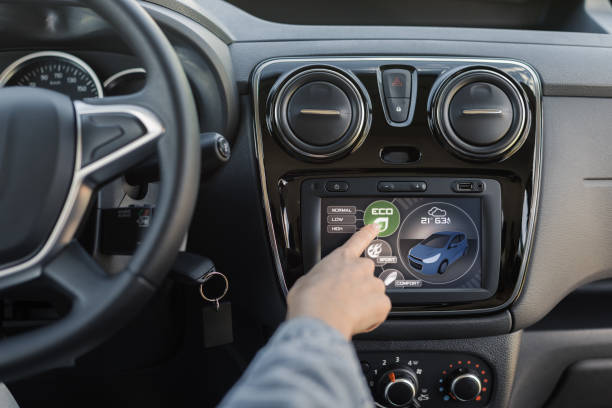
Are you planning to embark on an EV road trip down some famous Aussie road anytime soon?
Whether you’re looking to drive through the Grand Pacific Drive, the Great Ocean Road, or a path more obscure, going on a road trip is a phenomenal way of intimately exploring Australia’s beach towns, landmarks, and numerous natural wonders at your own pace.
While embarking on a trip with a diesel-powered car is tried and tested, using an electric vehicle is a completely viable (and dare we say, superior) alternative.
Besides its eco-friendly construction, the electric vehicle’s minimal vibrations and silent cruising capabilities make it an excellent choice for people looking to enjoy their multi-day driving experience.
That said, there are some intricacies prospecting users should be aware of when solely relying on an electric vehicle to fuel their transportation.
Without further ado, here are some tips you should follow to embark on a successful road trip with your electric vehicle.
1. Know Your EV Range and Specs
When driving through rural sections of land like the Outback, you’re likely tens—if not hundreds—of kilometres away from the nearest EV charging point.
If you’re not watchful over your battery consumption, you could end up getting stranded in the middle of nowhere, a fate that can be frustrating and abruptly lead to a trip cut short.
As such, it’s important to know how much mileage your EV’s battery can provide to you from a full charge.
Some hybrid cars like the Mazda MX-30 can run for about 170 kilometres on full charge. More high-end EVs like the Lucid Air Dream Edition can run up to 836 kilometres before they run out of juice.
You should also take your electric vehicle’s age into account. The more charging cycles your vehicle has used up, the less efficient it’ll be on the road. This can translate to reduced mileage over a single charge.
On average, a frequently-used electric vehicle loses 1 to 2% of mileage annually, so subtract the yearly difference when computing the EV’s mileage capabilities.
Also, take weather conditions into account. Frequent exposure to cold weather can strain the lithium plating protecting the battery, shortening its lifespan.
Once you’ve figured out your EV’s range, map out your road trip to ensure that your rest stops include a charging spot in them.
You can usually come across charging ports in small towns littered across coastal towns and roads. And when you do charge, you’ll want to top it off to about 90%, as charging your car to 100% can accelerate battery deterioration over time.
So be sure that you’re not leaving your vehicle charged far longer than it should.
2. Incorporate Charging Time in Itinerary Planning
Battery charging times can differ whether your vehicle is charged through a Level 1 charger, a Level 2 charger, DCFC equipment, or another type of charger.
Level 1 chargers typically take the longest to get back to full, approximately taking 40 to 50 hours to charge a BEV from empty to full and about 6 hours for a PHEV.
Level 2 chargers and DCFC equipment can take anywhere from 20 minutes to 10 hours depending on whether you’re driving a hybrid or fully electric vehicle.
If you’re embarking on a long road trip and envision fewer charging ports in the next section of the road, you’ll want to ensure that your time is well spent and that your car is appropriately fueled.
This means you have to do your research and determine the charger types along your route. Fortunately, there are apps and maps online that can help you map routes of nearby charging ports.
If the upcoming stretches of motorways only have Level 1 charging ports, try to plan your route around that pitstop. Search up local restaurants and book a nearby hotel if you need to stay through the night. Don’t let your pitstop feel like a chore!
And if there are no EV chargers around the area you’re driving through, or if you’ve underestimated the miles, an alternative is to buy a portable EV charger.
This flexible technology can be used in a pinch to help drivers have enough power to arrive at the nearest charging station.
3. Pack Road Trip Essentials
Going on an EV road trip entails quite a bit of preparation. From snacks to toiletries, you’ll want to be stocked up to ensure that your road trip is as smooth as it can be.
If you’re unsure of what to bring, here are some essentials that we recommend having some of during your road trip. This list is for road trips that’ll last for 3 to 4 days:
- First aid kit
- Snacks, drinks, and canned goods
- Water supply and reusable bottle
- Spare tire
- Toolkit
- Weather-appropriate clothing (outfits should equal the number of days on the road plus one)
- Neck pillows, eye masks and blankets
- Sunscreen and sunglasses
- Toiletries
- Dishwashing soap, utensils and plates
- Trash bags
- Phone
- Umbrella
- Flashlights
Be sure to pack enough of these items so that you can deter future problems and weather any emergencies that may come your way.
Furthermore, you should also bring some physical cash with you in case you’re going deep in rural territory. Some places may not readily accept credit cards and online payments, so you want to prepare yourself just in case that happens.
4. Make Backup Plans for Emergencies
No matter how planned out your future road trip is, you’re not completely risk-free. Setbacks can happen on the road that may delay or cut your road trip shorts. These unfortunate events may cost you thousands of dollars and an unpleasant, early drive home.
Your road trip kit should cover first-line emergencies. This includes your first aid kit, some perishables, a water supply, and a portable battery charger.
That said, accidents may also occur on the road. If you want to weather the financial brunt of emergencies away from home, you should consider getting insurance.
Vehicle insurance like ROLLiN’ electric vehicle insurance provides comprehensive coverage to pay off vehicle repairs in case you have encountered a collision on the road.
Furthermore, travel insurance can also be a big help for medical bills and other bad things that can happen when driving.
Lastly, try preparing a list of local emergency contact numbers so that you’ll know how to contact them when you’re driving without a cellular signal.
5. Maintain Your EV’s Conditions
While the chances of accidents happening on the road are non-zero, you can control how you drive to minimise this risk.
The majority of these good driving habits overlap with operating a gas-powered car, such as following road rules and practising good driving etiquette. But there are some EV-specific things you should know too.
Upholding these habits can increase your car’s longevity, enabling you to truly maximise your car’s value. One key habit every EV driver should know is to accelerate gradually. Another is to take advantage of the quicker brake response of EV vehicles. These habits help increase the efficiency of your car.
And if you haven’t done so in a while, bring your car to a repair or maintenance shop. Allow experts to inspect your car for any worn-out parts and conduct a thorough diagnosis. Follow their advice to ensure a safe and smooth operation out on the road.
By practising these safety measurements, you’re making the road a safer place while simultaneously setting the foundation for a smooth and fun driving experience with your EV.
Safe travelling!